Why Do Your Legs Hurt After Walking a Short Distance? What Older Adults Should Understand

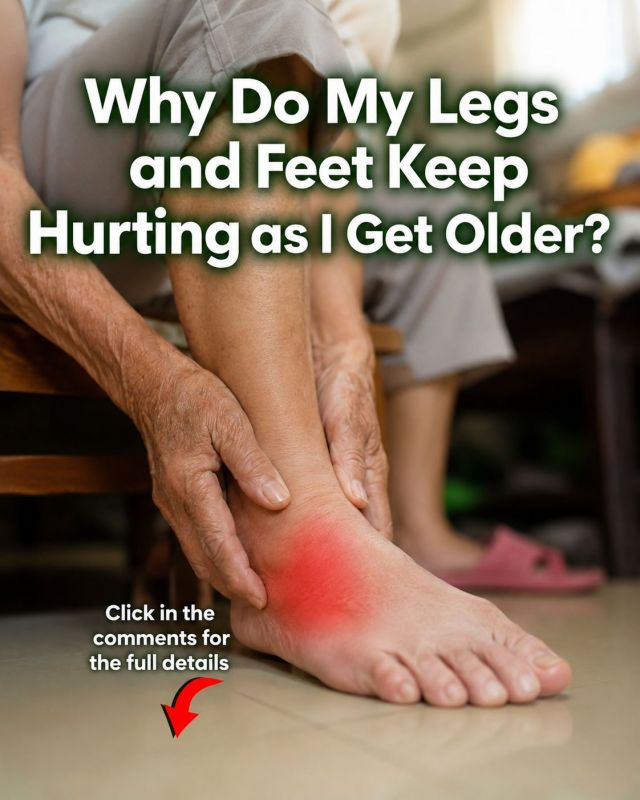
The most useful first action is to book a visit with your doctor or GP and describe the pattern in detail: exactly how far you walk before discomfort starts, where you feel it, and what makes it ease. Bring notes if it helps. This conversation is the foundation because only a trained professional can determine which factors are most active in your case and rule out anything that needs prompt attention.
Begin with very short, flat walks two or three times a day rather than one longer effort. Five to ten minutes at a comfortable pace is enough to start. The goal is frequency and consistency; over several weeks many people find they can gradually extend the distance before any ache appears.
Replace worn footwear with a pair that offers good heel cushioning and gentle arch support. Visit a shop that caters to older walkers and try several options; the difference in comfort during the first steps can be noticeable within days. Keep the new shoes for walking only so the cushioning lasts longer.
Sip water regularly rather than waiting until you feel thirsty. Keep a bottle within reach at home and take it when you go out. This single habit supports muscle performance and circulation more than most people expect.
Include potassium-rich foods such as bananas, spinach, sweet potatoes and beans most days, and discuss with your doctor whether a magnesium supplement might be appropriate alongside your current medicines. These minerals help muscles relax properly after activity.
If you still use any form of tobacco, reach out today for support. In the United States the national quit line is 1-800-QUIT-NOW; in the United Kingdom your GP can refer you to local stop-smoking services. The improvement in vessel function begins within weeks and continues for years.
Spend a few minutes morning and evening doing simple seated ankle movements: point and flex the feet ten times, then make slow circles in each direction. This keeps blood moving through the lower legs without requiring standing or walking.
Finally, even a modest reduction in body weight, achieved through steady eating habits and the short daily walks already mentioned, reduces the load on feet, knees and hips and often delays the arrival of discomfort during activity.