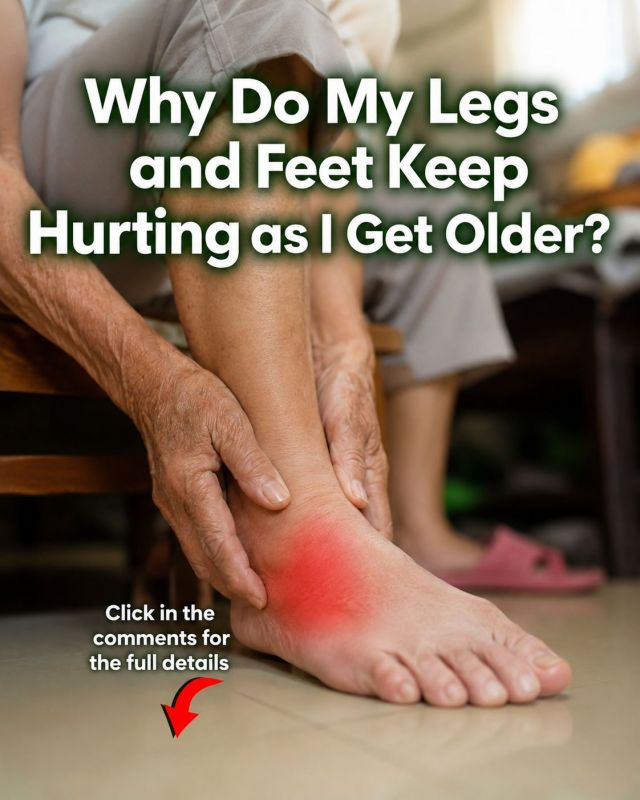
You head out for what should be a pleasant walk around the block or to the corner shop with your spouse or a friend, but after just one or two hundred yards that familiar tightness or ache builds in your calves or thighs and forces you to stop. It feels awkward when others have to wait or when you need to lean against a wall while they continue, and over time you start turning down invitations or skipping the daily stroll you once enjoyed. This pattern is far more common than most people realise among adults in their sixties, seventies and beyond, often tied to changes in blood flow, nerves or the muscles and joints that have worked hard for decades, and everyday habits can make the discomfort show up sooner than it should. The encouraging reality is that once you understand how these pieces fit together, several straightforward adjustments to your routine can help many people move more comfortably again, and I will share exactly what tends to make the biggest difference later in this article.
Vascular Factors That Can Limit Comfort During Short Walks
One of the most frequent explanations for leg pain that appears quickly with walking and eases with rest involves the arteries supplying the lower limbs. Over the years fatty material can build up inside these vessels, narrowing the pathway and reducing the amount of oxygen-rich blood that reaches the muscles when demand rises. The moment you start walking the leg muscles need more fuel, yet the restricted arteries cannot deliver it fast enough, so a cramping or heavy sensation develops, usually in the calf and sometimes higher in the thigh or buttock. Stop for a minute or two and the demand drops, the pain fades, and you can often continue, only for the same cycle to repeat at roughly the same distance.
Health authorities note that this pattern becomes increasingly common after age sixty, especially in people who have smoked, lived with higher blood pressure or blood sugar levels, or remained quite sedentary for many years. The interesting point many overlook is that the body can sometimes develop small backup routes for blood, but only if the larger vessels are not continually damaged by ongoing smoking or poor daily food choices. Continuing to smoke, even lightly, keeps the vessels tight and inflamed, while meals built around fried foods, processed meats and sugary drinks keep the inner lining of the arteries irritated. On the other hand, many people notice that simply becoming consistent with short, regular walks on flat ground encourages better overall flow over time without pushing through pain.
You might recognise this if the discomfort always arrives at a predictable effort level and disappears reliably with standing still. That predictable timing is actually useful information because it points to circulation rather than a sudden injury. Recognising it early gives you more room to support your vessels through daily choices before the limitation grows stronger.
Spine and Nerve Changes That Can Radiate Pain Into the Legs
Another common reason older adults feel pain or heaviness in the legs after short walks comes from pressure on the nerves leaving the lower spine. With age the discs between the vertebrae lose some height, ligaments thicken and small bone spurs can form, all of which narrow the space available for the nerves that travel down into the buttocks and legs. Walking upright increases the load on the lumbar region, so the nerves become irritated and send pain, tingling or a tired, heavy feeling downward. Many people discover that leaning slightly forward, such as when pushing a shopping trolley, eases the sensation because it opens a little more space around the nerves.
Spinal narrowing of this type is especially frequent after sixty-five and can start gradually, first appearing only on longer outings or hills before it limits even short neighbourhood walks. In addition, long-term higher blood sugar or lower levels of certain B vitamins can damage the smaller nerves in the legs themselves, producing burning, shooting or numb feelings that make steady walking feel unsteady or uncomfortable. These nerve-related patterns often improve with rest or position change, yet they can still erode confidence when you want to keep up with family or simply finish errands without stopping repeatedly.
Read more on the next page >>