
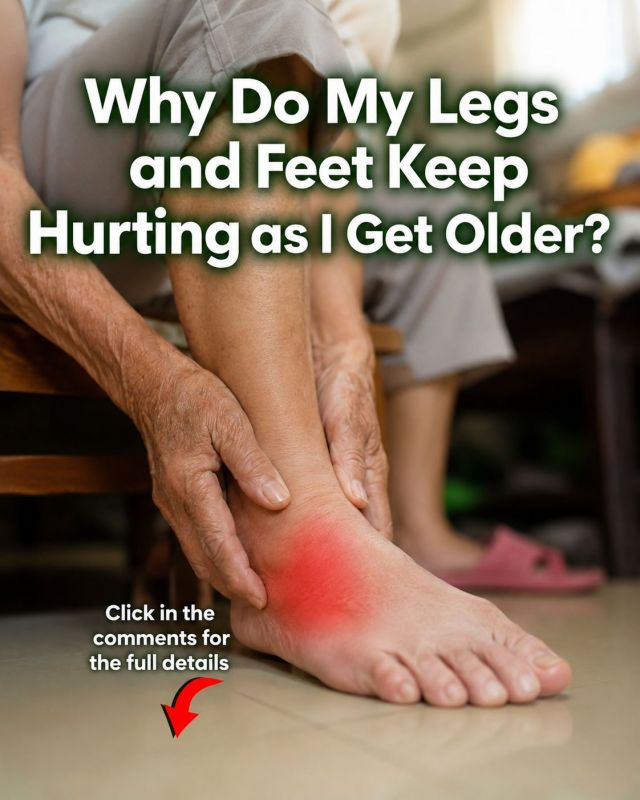
The truth is that posture and simple supports sometimes reduce the irritation enough to make daily movement more tolerable while you arrange a proper evaluation. Many people find temporary relief from using a walking stick on one side or choosing completely flat routes, but these are only bridges. The deeper step remains having a healthcare professional sort through the exact contribution of the spine and nerves so the right plan can be made.
Mobility Equipment & Accessories
Foot, Ankle and Muscle Issues That Make Every Step Uncomfortable
Pain that appears right from the first steps often traces back to the foot or the tendons and muscles at the back of the lower leg. The thick band of tissue running along the sole of the foot can develop small tears and irritation from years of repetitive loading, especially if weight has increased, shoes have lost their cushioning or the calf muscles have become tight from long periods of sitting. The result is a sharp or stabbing sensation in the heel that is worst with the very first steps after getting out of bed or rising from a chair, then eases slightly as the tissue warms up.
At the back of the leg the Achilles tendon can also show age-related changes or irritation from footwear that does not support the heel well, producing stiffness and pain when you push off to walk. Muscle cramps or sudden tight knots appear for different reasons, frequently linked to dehydration, lower levels of potassium or magnesium from diet or certain medications, and muscles that have not been kept conditioned. These cramps can strike during activity or even at night, leaving the leg sore the next day.
What surprises many people is how much the choice of shoes and simple daily movement patterns influence these foot and lower-leg issues. Old, flattened footwear fails to absorb shock or support the arch, so every step sends more stress into the irritated tissue. Likewise, spending most of the day seated shortens the calves and weakens the small muscles that help stabilise the foot, making the first steps of any walk more painful than they need to be.
How Everyday Habits Often Worsen Leg Discomfort

Daily routines exert a powerful influence on how soon leg discomfort appears. Smoking or regular exposure to tobacco smoke damages the lining of blood vessels and keeps them narrower than necessary. Long hours of sitting weaken the muscles that assist circulation and shorten the tissues at the back of the legs. Footwear that is worn out or lacks proper cushioning and arch support increases stress on the feet and tendons with every step. Meals that rely heavily on processed and fried foods promote inflammation inside the vessels while providing fewer of the nutrients needed for nerve and muscle function. Not drinking enough water throughout the day leaves muscles more prone to cramping, especially when combined with common medications that affect fluid or mineral balance. Carrying extra weight adds load to the feet, knees and hips, so discomfort arrives earlier in any walk. Finally, pushing through pain or ignoring the first signals often allows small problems to become larger limitations.
- Smoking remains one of the strongest accelerators of vessel narrowing; the damage begins to reverse surprisingly quickly once it stops.
- Inactivity creates a cycle: weaker muscles mean poorer pump action, so blood flow becomes even less efficient.
- Unsupportive shoes are an easy, immediate change that reduces unnecessary stress on the feet and lower legs.
- A plate built around vegetables, fruit, lean proteins and whole grains supplies the building blocks vessels and nerves use every day.
- Consistent hydration supports muscle performance and helps medicines work as intended without extra strain.
How Different Pain Patterns Often Compare
| Pain Description | Typical Location | What Usually Brings Relief | Area Most Often Involved |
|---|---|---|---|
| Cramping or tightness that forces a stop | Calf, thigh or buttock | Standing completely still for a few minutes | Blood supply to the working muscles |
| Aching, burning or heavy feeling that travels downward | Lower back through buttock into leg | Leaning forward or sitting down | Nerves leaving the lower spine |
| Sharp pain on the very first steps after rest | Bottom of the heel | Gentle movement and supportive shoes | Tissue along the sole of the foot |
| Sudden tight knot or spasm | Anywhere in the calf or thigh | Gentle stretching, hydration and rest | Muscle itself, often linked to minerals or conditioning |
This table offers general patterns people commonly report. It is not a substitute for professional assessment.

I DRANK FROM MY HUSBAND’S GLASS AT HIS COMPANY—AND HIS SECRETARY SLAPPED ME… THEN HE WALKED IN AND EVERYTHING

Metoprolol: The Good, The Bad, and The UGLY – Your No-BS Guide to 10 Common Side Effects
The five drinks that are most harmful to your bones, according to health experts.

I am 73 years old, I live alone and I feel fulfilled: 4 tips…

Stop throwing away your old pill box. Here are 12 ways to re…
10 Indicators of Blocked Arteries You Shouldn’t Ignore
