
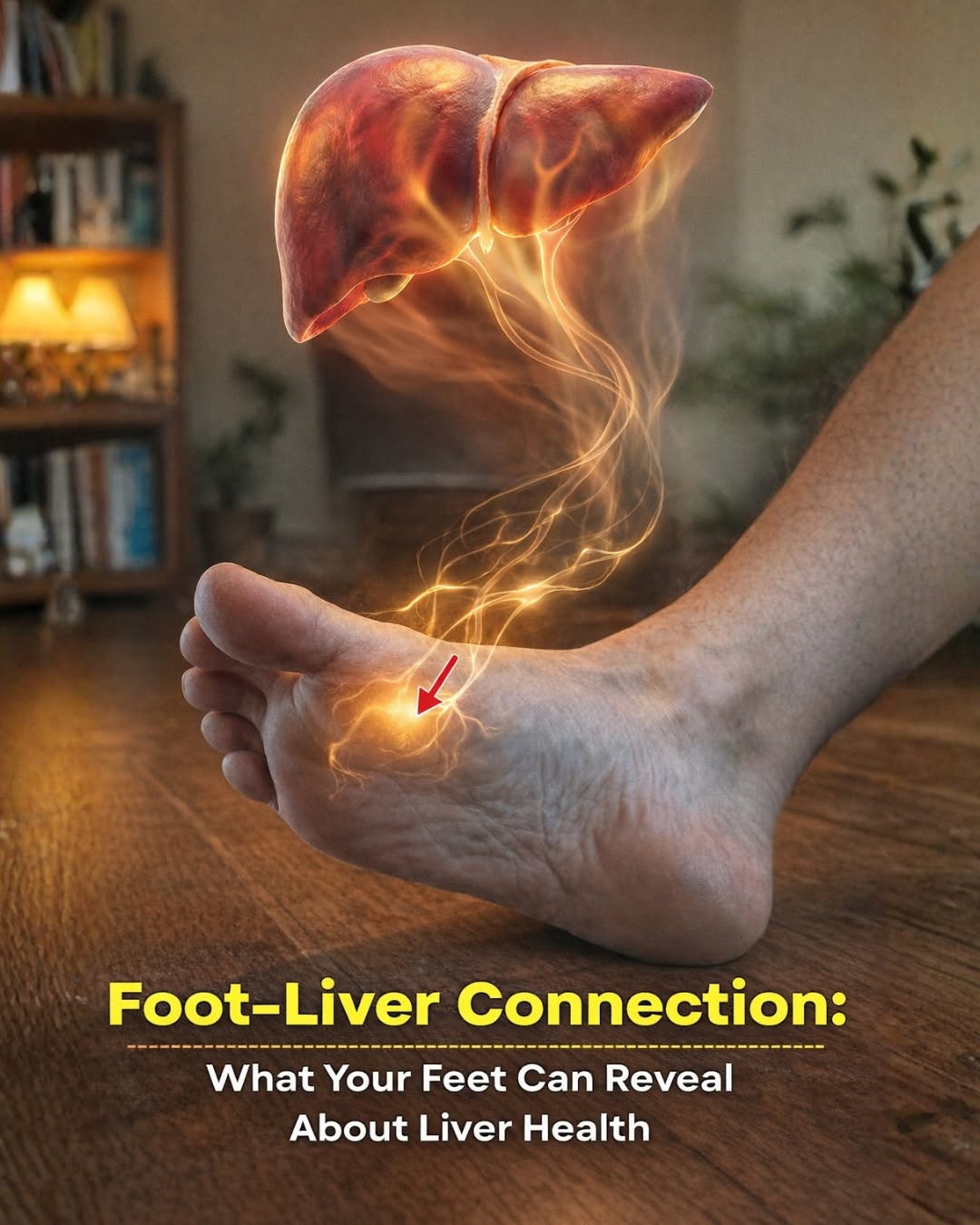
Have you ever noticed your feet or ankles looking unusually puffy by the end of the day, or felt an annoying itch on the soles that just won’t go away? These everyday discomforts might seem minor at first—maybe blamed on a long day standing or tight shoes—but they can sometimes point to something deeper happening inside your body, particularly with your liver. The liver quietly handles detoxification, protein production, and fluid balance, yet when it’s under strain, subtle clues often show up in unexpected places like your lower legs and feet. Ignoring these signals could mean missing an opportunity for earlier attention to liver wellness.
But here’s the encouraging part: many of these foot-related changes improve when the underlying liver stress is addressed through lifestyle adjustments and medical guidance. In this article, we’ll explore what research and clinical observations reveal about these connections, so you can stay informed and proactive.
Why Your Feet Can Signal Liver Concerns
The liver doesn’t just sit in your abdomen—it influences systems throughout the body. Studies from sources like Mayo Clinic and clinical reviews highlight how liver function impacts fluid regulation, hormone balance, and skin health. When the liver struggles, these effects can appear in the extremities, including the feet. Recognizing patterns early empowers you to discuss them with a healthcare provider.
Swelling in the Feet and Ankles (Pedal Edema)
One of the most noticeable signs is swelling, known as pedal edema. This happens because the liver produces albumin, a key protein that helps keep fluid inside your blood vessels. When albumin levels drop due to liver strain, fluid leaks into surrounding tissues, leading to puffiness.
- It often appears as swollen ankles and feet, more pronounced in the evening after standing or sitting for long periods.
- Pressing a finger into the swollen area may leave a temporary dent—this is called pitting edema.
- Research shows this is common in chronic liver conditions, where fluid retention becomes persistent.
If you’ve noticed your shoes feeling tighter or socks leaving deep marks, it’s worth paying attention—especially if the swelling doesn’t resolve with rest or elevation.

I DRANK FROM MY HUSBAND’S GLASS AT HIS COMPANY—AND HIS SECRETARY SLAPPED ME… THEN HE WALKED IN AND EVERYTHING
Metoprolol: The Good, The Bad, and The UGLY – Your No-BS Guide to 10 Common Side Effects
The five drinks that are most harmful to your bones, according to health experts.

I am 73 years old, I live alone and I feel fulfilled: 4 tips…
Stop throwing away your old pill box. Here are 12 ways to re…
10 Indicators of Blocked Arteries You Shouldn’t Ignore
