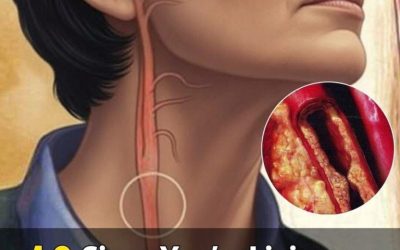
Many people taking metoprolol for blood pressure or heart-related concerns notice changes in how they feel day to day. These effects can range from mild tiredness to more noticeable symptoms that affect daily routines. Understanding what to expect helps you stay informed and communicate better with your healthcare provider. In this article, we explore ten common side effects reported by patients and share practical ways to manage them while continuing your treatment safely.
What Is Metoprolol and Why Do Side Effects Happen?
Metoprolol belongs to a class of medications called beta-blockers. It works by slowing your heart rate and relaxing blood vessels, which helps lower blood pressure and reduce strain on the heart. While effective for many, these actions can also lead to side effects as your body adjusts. Research from sources like the Mayo Clinic and NHS shows that most side effects are mild and often improve over time.
But here’s the part most people don’t realize until they experience it themselves: some effects can sneak up gradually and impact energy levels, mood, or comfort in ways that feel surprising. Keep reading to discover the ten key side effects and simple steps you can take right away.
1. Fatigue and Unusual Tiredness
Feeling more tired than usual tops the list for many metoprolol users. This happens because the medication reduces how hard your heart works, which can leave you with less energy for everyday tasks.
Studies note that tiredness affects around 10% of people in the early weeks. Simple tips include:
- Taking short walks in natural light to gently boost circulation
- Maintaining consistent sleep and meal times
- Talking to your doctor if fatigue persists beyond a few weeks
2. Dizziness or Lightheadedness
Dizziness often occurs when standing up quickly due to a temporary drop in blood pressure. This is especially common when first starting or increasing the dose.
To manage it:

I DRANK FROM MY HUSBAND’S GLASS AT HIS COMPANY—AND HIS SECRETARY SLAPPED ME… THEN HE WALKED IN AND EVERYTHING
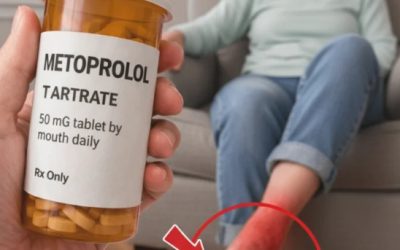
Metoprolol: The Good, The Bad, and The UGLY – Your No-BS Guide to 10 Common Side Effects

The five drinks that are most harmful to your bones, according to health experts.

I am 73 years old, I live alone and I feel fulfilled: 4 tips…
Stop throwing away your old pill box. Here are 12 ways to re…