Sudden numbness in one arm or blurred vision in one eye can be alarming, yet many dismiss these fleeting episodes as mere fatigue or stress, unaware they could signal a transient ischemic attack (TIA). These temporary disruptions in brain blood flow often resolve quickly, but ignoring them raises concerns, as sources like the American Stroke Association note that about 1 in 3 people who experience a TIA may face a major stroke within a year if risks aren’t addressed. Exploring these signs from reliable medical perspectives, such as Mayo Clinic and Cleveland Clinic, can empower better awareness. But the vital insight is recognizing when to seek immediate help—continue reading for key indicators and guidance.
 Understanding Transient Ischemic Attacks and Their Importance
Brief episodes of confusion or weakness can feel unsettling, especially when they pass quickly, leading many to brush them off without realizing the potential implications for brain health. A TIA, often called a “warning stroke,” involves temporary blockage of blood flow to the brain, with symptoms typically lasting minutes to hours, per Mayo Clinic descriptions. While no permanent damage occurs, medical sources like the American Stroke Association emphasize TIAs as alerts for possible future strokes.
If you’ve ever experienced sudden “off” moments dismissed as tiredness, noting patterns in transient ischemic attack signs could provide reassurance through informed action. Research indicates risks are highest shortly after, underscoring prompt evaluation. But here’s the encouraging part: awareness and quick response support better outcomes.

 Key Potential Signs of a Transient Ischemic Attack
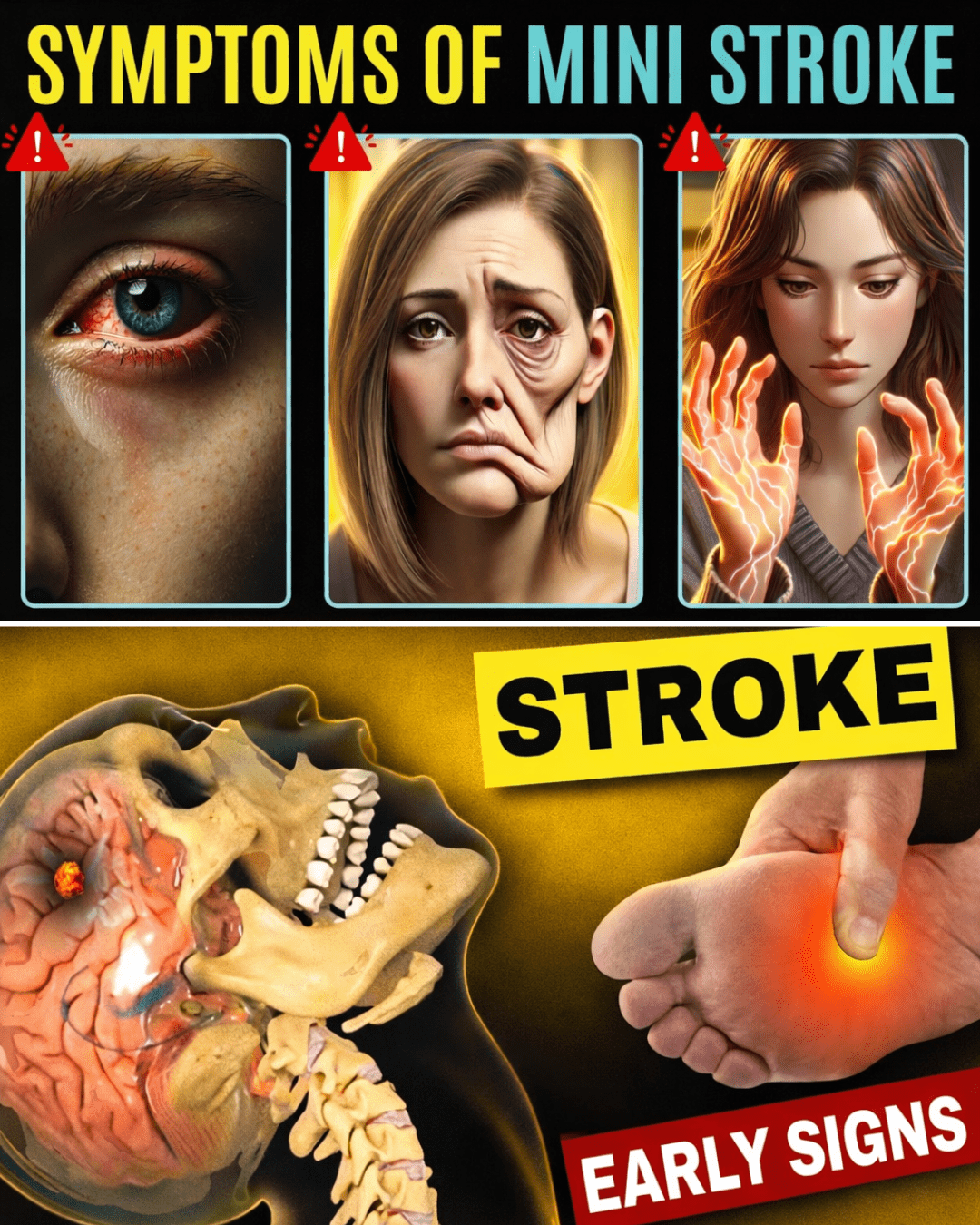
Sudden one-sided symptoms often cause worry, as they disrupt normal function unexpectedly. Medical experts highlight these common indicators of transient ischemic attacks, though not all appear in every case:
- Sudden numbness or weakness on one side — Especially face, arm, or leg, as noted in FAST guidelines.
- Slurred speech or difficulty speaking — Words may jumble temporarily.
- Confusion or trouble understanding — Feeling disoriented abruptly.
- Vision changes — Blur, loss in one eye, or double vision.
- Loss of balance or coordination — Dizziness or unsteady walking.
- Severe headache — Sudden and intense, unlike usual ones.
- Facial drooping — One side sags when smiling.
Additional signs sometimes observed include:

I DRANK FROM MY HUSBAND’S GLASS AT HIS COMPANY—AND HIS SECRETARY SLAPPED ME… THEN HE WALKED IN AND EVERYTHING

Metoprolol: The Good, The Bad, and The UGLY – Your No-BS Guide to 10 Common Side Effects

The five drinks that are most harmful to your bones, according to health experts.

I am 73 years old, I live alone and I feel fulfilled: 4 tips…

Stop throwing away your old pill box. Here are 12 ways to re…