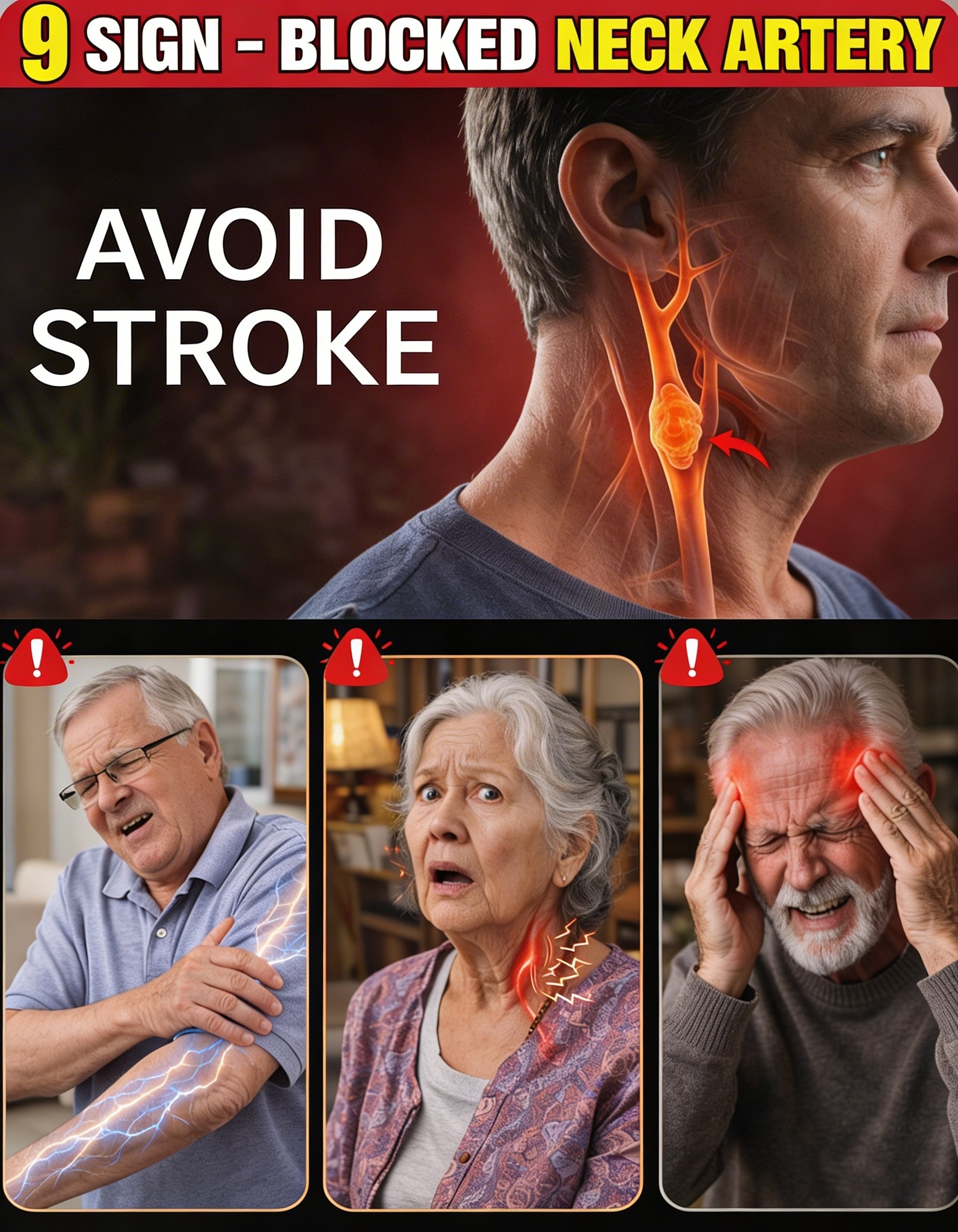
Blocked carotid arteries often develop quietly for years. Many people over 50 feel perfectly fine until a sudden, frightening event reveals how serious the situation has become. Up to 15–20% of ischemic strokes in the United States are linked to carotid artery disease, and research shows that a large percentage of individuals with significant narrowing experience no clear warning until a mini-stroke or full stroke occurs. The truly concerning part is how easily these early signals can be mistaken for normal aging, stress, or minor issues. What if some of the small, fleeting changes you’ve noticed lately are actually your body’s way of asking for help before it’s too late?

Why Carotid Artery Blockage Is Called a “Silent” Danger
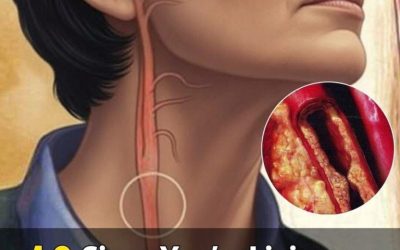
The carotid arteries run along both sides of your neck, carrying oxygen-rich blood directly to your brain. When plaque slowly builds inside these vital vessels, the channel narrows and blood flow becomes restricted. Reduced flow can starve brain tissue of oxygen and increase the chance of small clots breaking off and traveling deeper into the brain.
What makes this condition particularly dangerous is the absence of dramatic symptoms in most cases. Many people discover serious narrowing only after experiencing a transient ischemic attack (TIA) or a completed stroke. Studies estimate that 60% or more of individuals with moderate to severe blockage report no obvious signs until an emergency event happens.
The good news is that certain subtle changes can serve as early clues. Recognizing them early gives you time to speak with a healthcare provider and discuss appropriate screening or lifestyle adjustments. Let’s look at the nine warning signs experts urge people to take seriously.
Warning Sign 1: Brief Vision Loss in One Eye
Read more on the next page >>