Weird Amlodipine Side Effects That Don’t Usually Get Mentioned (And What to Watch For)

Actionable Tips to Manage and Monitor
You don’t have to just “deal with it.” Here are practical steps many find helpful:
- Track Your Symptoms — Keep a simple daily note: When did swelling or fatigue start? Rate it 1-10. Apps or a notebook work great.
- Boost Oral Care for Gum Issues — Brush gently twice daily, floss, and use an antiseptic mouthwash. Regular dental check-ups catch changes early.
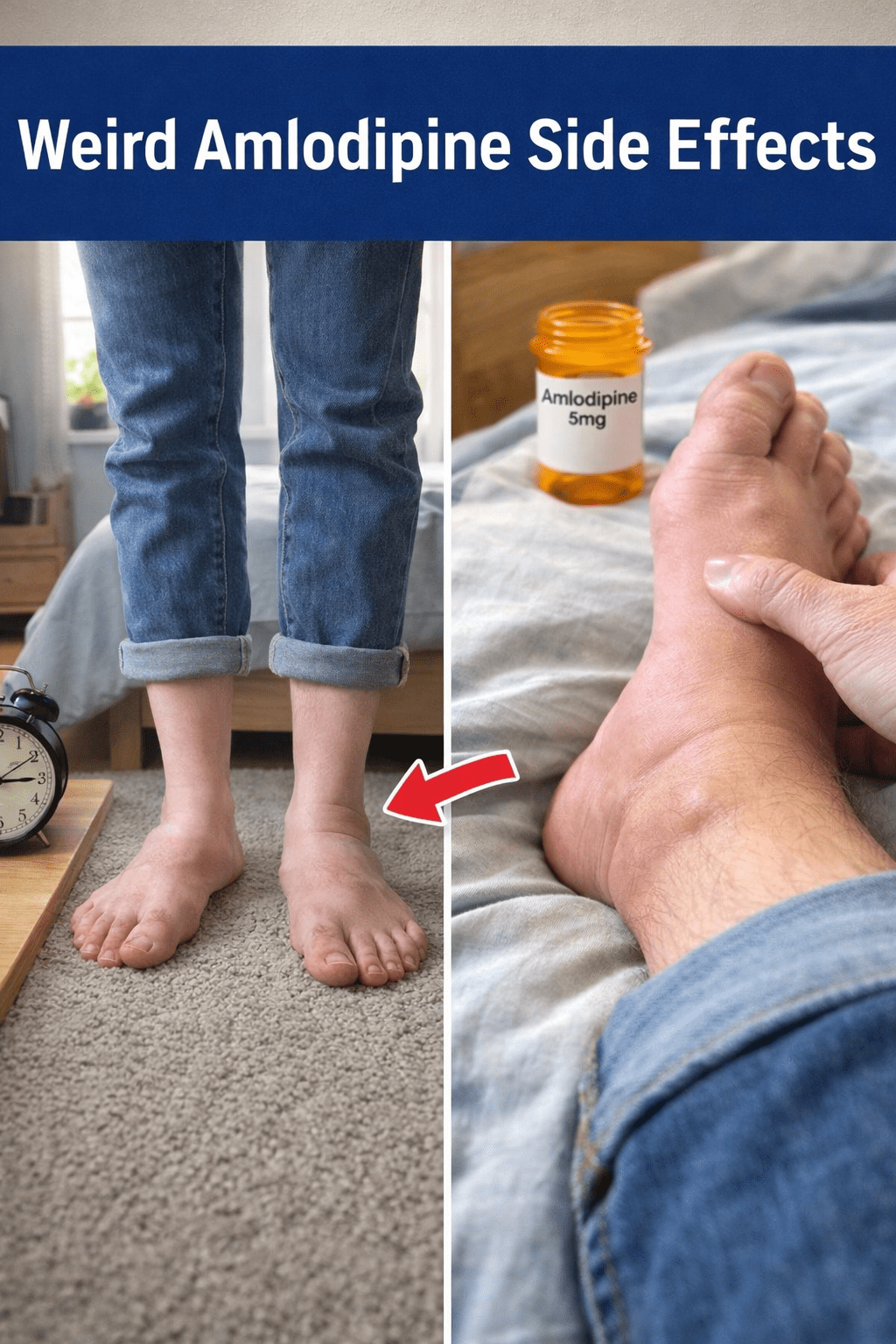
- Ease Swelling Naturally — Elevate legs when sitting, reduce salt, stay active with walking, and wear compression socks if recommended.
- Stay Hydrated and Move — Dehydration worsens fatigue; light exercise like stretching helps circulation without strain.
- Review with Your Doctor — Mention everything—even subtle changes. Dose adjustments or timing shifts sometimes help.
- Monitor Regularly — Check blood pressure at home and note patterns.
These aren’t cures but ways to support your body while on the medication.

What the Research Says
Reliable sources like the NHS, Mayo Clinic, and FDA adverse event data confirm most effects are mild and reversible. For example, peripheral edema affects many but often improves. Rarer ones like gingival changes appear in case reports and databases, emphasizing why patient awareness matters. Always rely on professional advice over online stories.
Wrapping It Up: Stay Informed, Stay Proactive
Amlodipine helps millions manage blood pressure effectively, but knowing the full picture—including these lesser-known effects—empowers better conversations with your doctor. Spotting signs early can prevent discomfort from building. If something feels off, don’t hesitate to speak up—small changes often make a difference.
Frequently Asked Questions
Does amlodipine cause permanent side effects?
Most effects are temporary and improve when stopping or adjusting the medication under medical guidance. Serious or lasting ones are rare.
Can I stop amlodipine if I notice weird effects?
Never stop suddenly without consulting your doctor—abrupt changes can affect blood pressure. Discuss alternatives or tweaks instead.
Are these effects more common at higher doses?
Yes, many (like swelling) increase with higher doses, per clinical data. Lower doses sometimes reduce issues while maintaining benefits.
Disclaimer: This article is for informational purposes only and not a substitute for professional medical advice. Always consult your healthcare provider before making changes to your medication or if you experience any concerning symptoms. Individual responses to medications vary.