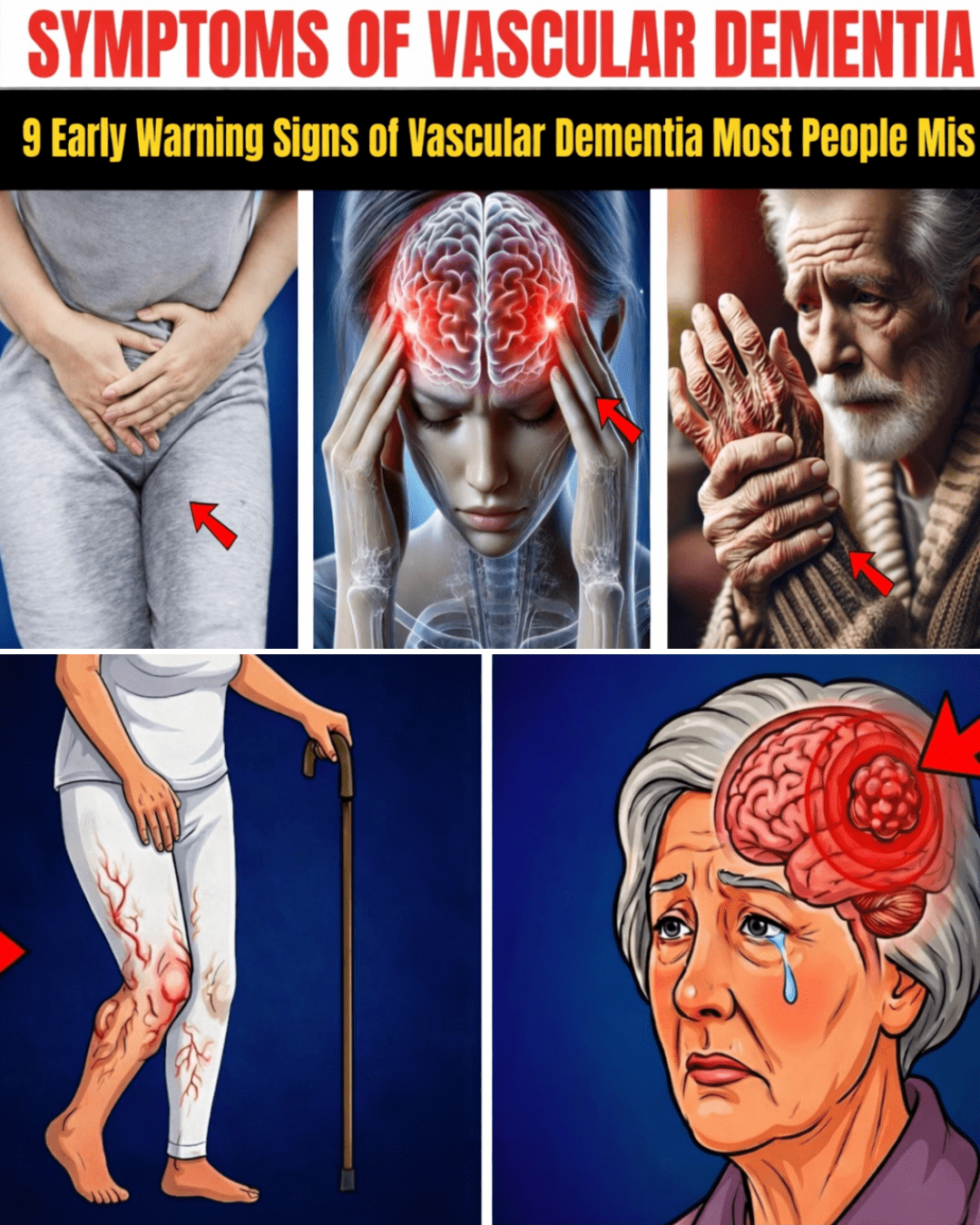
9 Early Signs of Vascular Dementia Most People Overlook – Especially Number 3

Simple routines like paying bills, following recipes, or managing appointments suddenly feel overwhelming. Executive function challenges disrupt independence.
Frontal-subcortical damage hits planning first in many cases—one of the hallmark early signs of vascular dementia.
 1. Brief Episodes of Confusion (Often After a TIA)
Temporary slurred speech, one-sided weakness, vision changes, or confusion that resolves quickly can seem like a passing odd moment. Many ignore these warnings.
Transient ischemic attacks (mini-strokes) frequently precede clearer decline, making them critical early signs of vascular dementia.

When Early Signs of Vascular Dementia Become Concerning
These early signs of vascular dementia overlap with normal aging, stress, medications, or other conditions. Vascular dementia is the second most common type after Alzheimer’s.
Patterns matter: new onset, persistence, worsening, or multiple signs together—especially after age 60 or with risks like high blood pressure—warrant attention.
Early Signs vs. Normal Aging
| Early Sign of Vascular Dementia | How It Feels | Often Mistaken For |
|---|---|---|
| Slowed thinking speed | Responses take longer | Fatigue or busy mind |
| Planning difficulties | Overwhelmed by routine tasks | Stress or overload |
| Attention problems | Easily distracted, rereading needed | Lack of sleep |
| Apathy/emotional flatness | Loss of interest in hobbies | Depression or grief |
| Gait/balance changes | Slower, shuffling steps | Arthritis or inner ear issues |
| Fluctuating cognition | Good days and bad days | Mood swings |
| Urinary urgency | Sudden frequent needs | Prostate or bladder aging |
| Visual-spatial issues | Misjudging distances | Eyesight changes |
| Brief confusion/TIA | Temporary symptoms that resolve | Passing dizziness |
Practical Steps If You Notice Early Signs of Vascular Dementia
Take thoughtful action without delay:
- Log changes for 2–4 weeks: note frequency, triggers, and examples
- Schedule a doctor visit—share your log and request cognitive screening (like MoCA)
- Discuss vascular risks: blood pressure, cholesterol, diabetes control
- Consider imaging (MRI) or carotid ultrasound if recommended
- Start protective habits: daily walks, Mediterranean eating, stress management
These steps support brain blood flow when addressing potential early signs of vascular dementia.

Protecting Brain Health: Key Actions
Read more on the next page >>